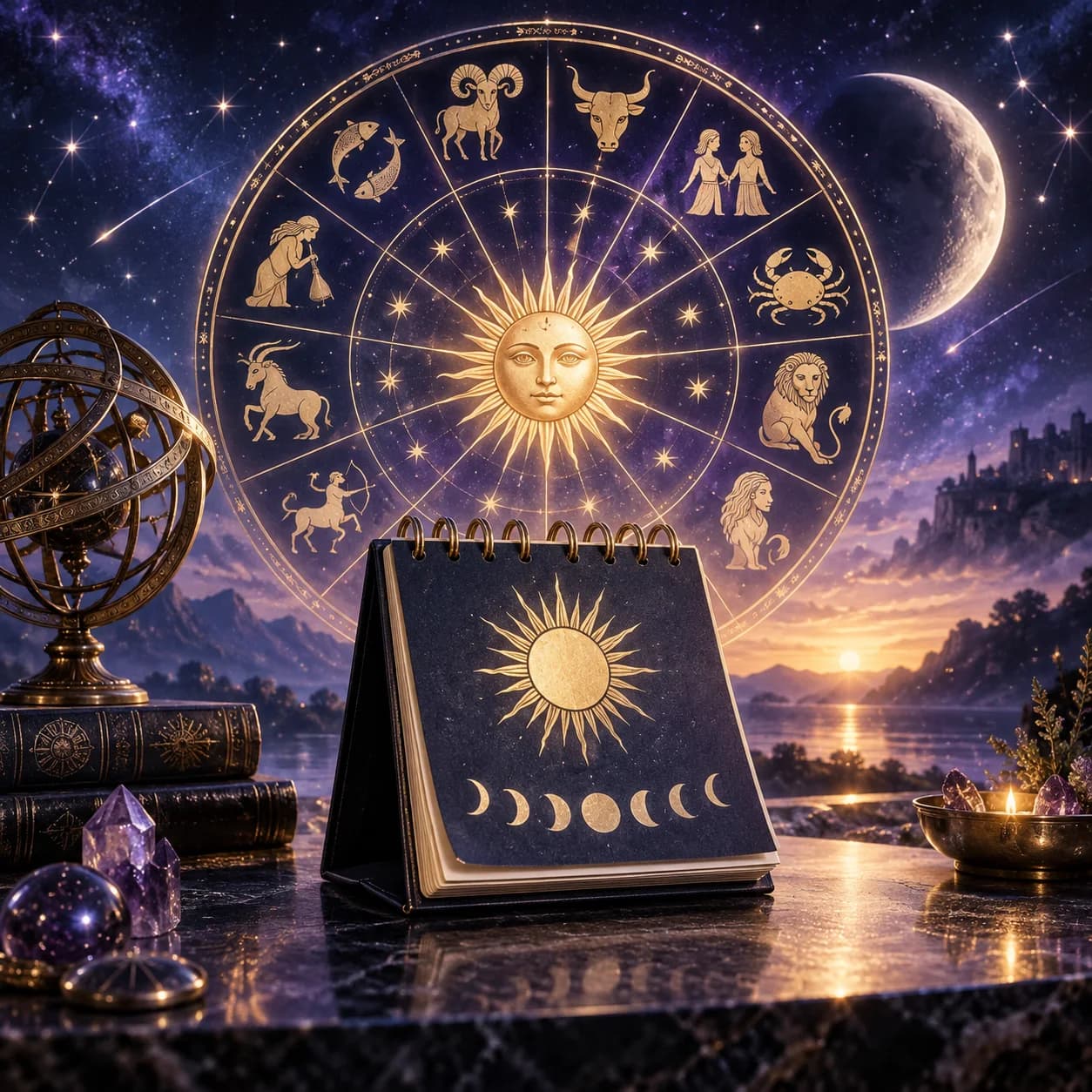
What a Daily Horoscope Is—and Is Not
A daily horoscope is a short astrological text, usually organized by Sun sign, that describes possible themes or tendencies for a given calendar day. It is not a forecast in the meteorological sense, nor is it a personalized reading. Most published daily horoscopes are generic: they apply to everyone born with the Sun in a particular zodiac sign, regardless of the exact time or place of birth. They are best understood as a cultural genre that blends astrological symbolism with practical, often psychological, language. They do not predict specific events with certainty, and they should not be used as a substitute for professional medical, legal, or financial advice. Recognizing this boundary is the first step toward reading them critically.
The Astronomical and Astrological Basis of a Horoscope
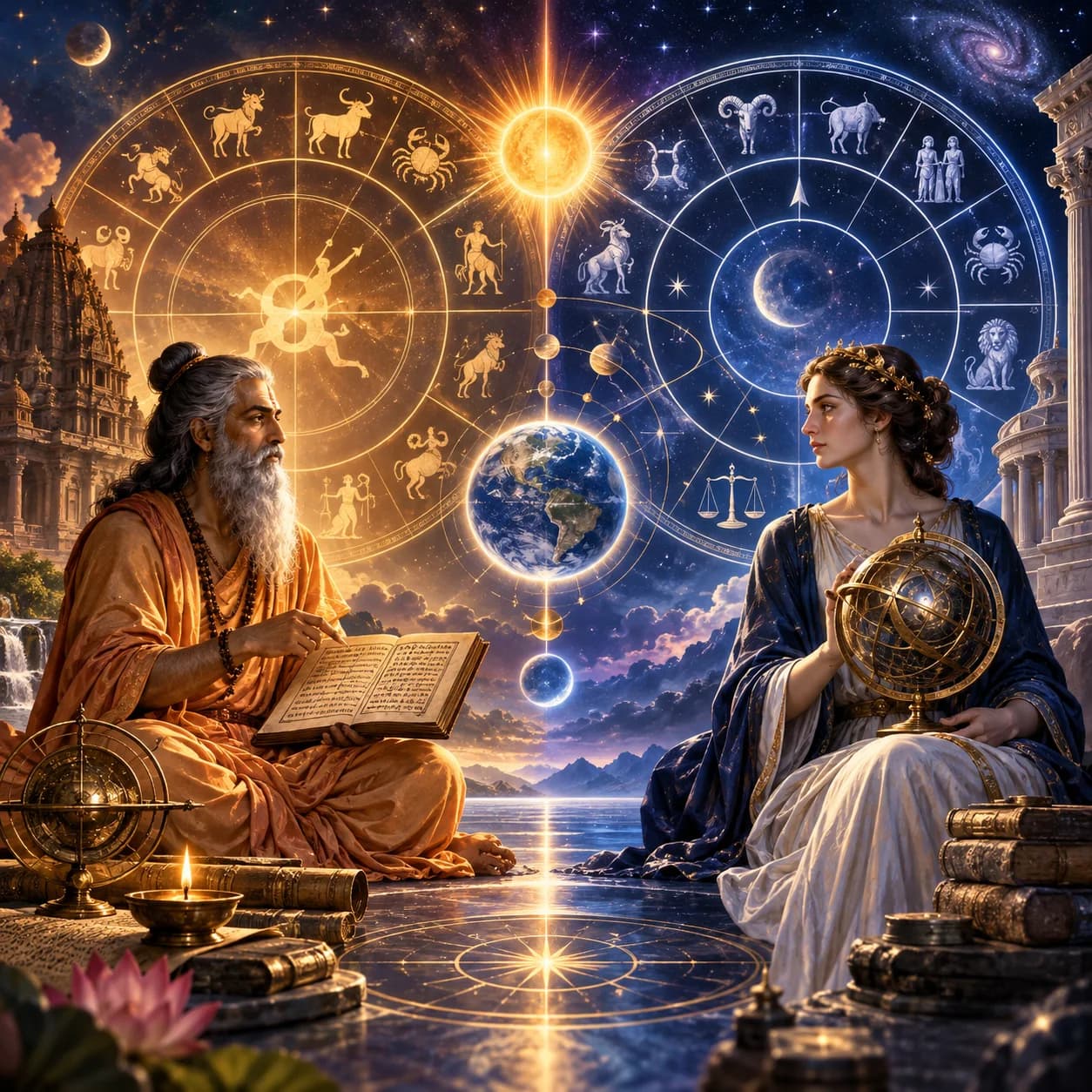
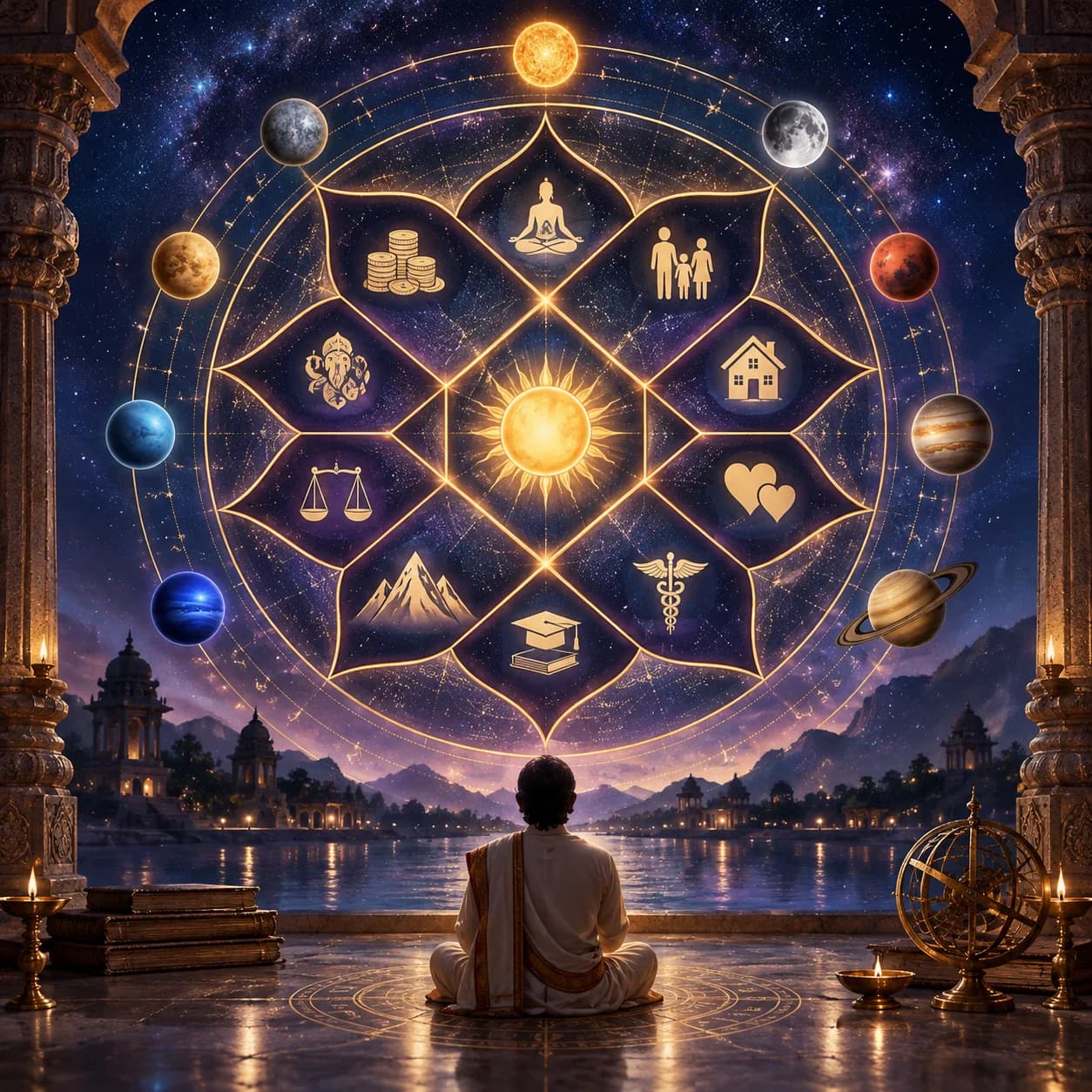
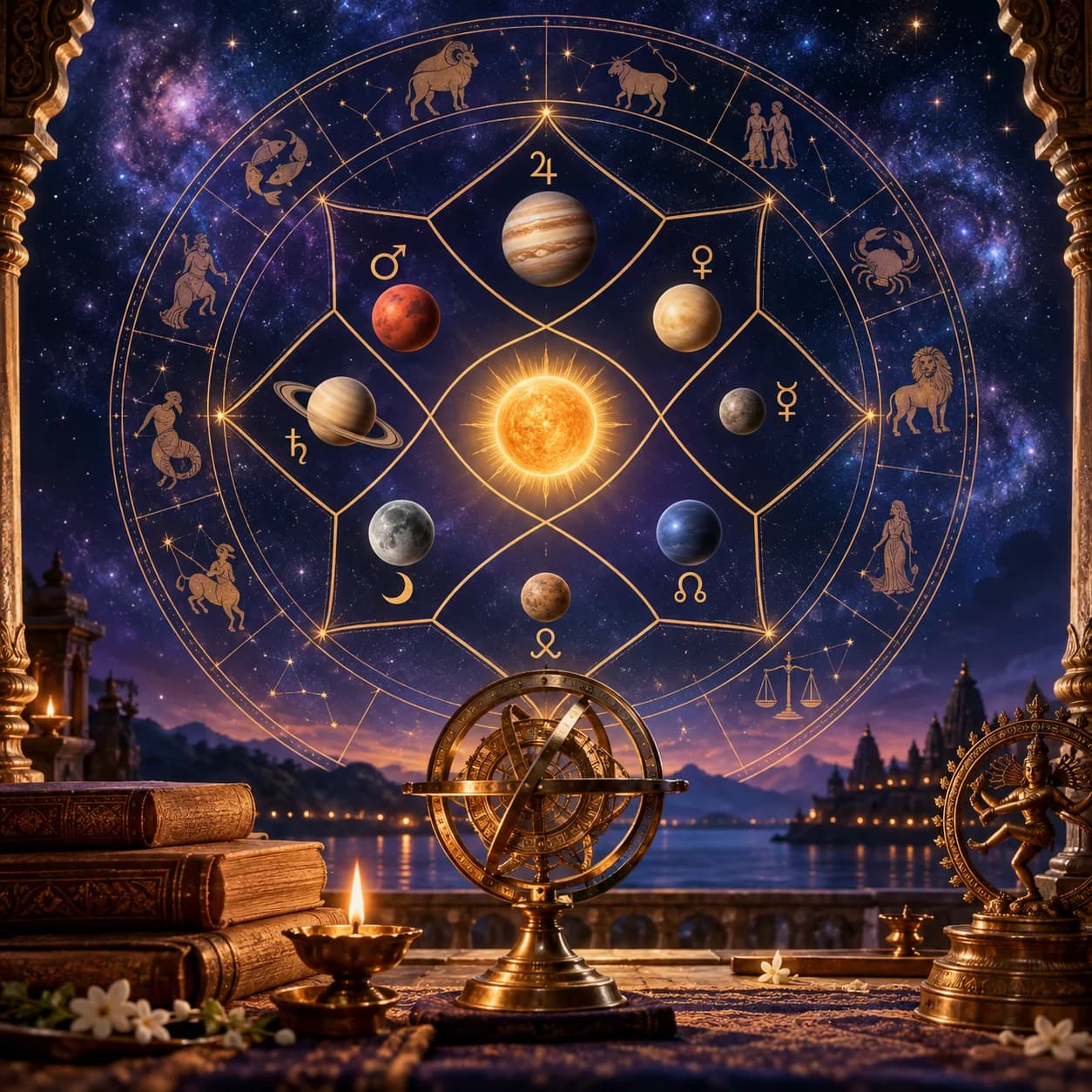
A horoscope is fundamentally a chart. It maps the positions of the Sun, Moon, planets, and other celestial points relative to the zodiac at a specific moment. For a daily horoscope, the relevant moment is often the day itself—typically at 00:00 UTC or local midnight—though some astrologers use sunrise or another reference. The chart is calculated using ephemerides, tables that give the precise celestial longitudes of bodies over time. These calculations are astronomical and mathematical. They yield positions in signs, houses, and aspects (angular relationships between planets). Importantly, the calculation itself is neutral: it produces data, not meaning. The meaning is assigned through astrological interpretation, which is a separate and far more subjective process.
Calculation Versus Interpretation: A Clear Divide
It is essential to distinguish calculation from interpretation. Calculation answers questions like: What degree of Leo is the Moon at today? Is Mars trine Saturn? These are matters of astronomy and can be verified independently. Interpretation asks: What might a Moon in Leo trine Mars mean for someone’s mood or motivation? This step relies on symbolic correspondences, tradition, and the astrologer’s judgment. Different astrologers can look at the same calculated chart and offer different interpretations. This does not make the calculation wrong; it simply means that astrology’s meaning-making layer is not a science in the same way astronomy is. A well-written daily horoscope should be transparent about this distinction, even if briefly, so readers understand they are engaging with symbolic commentary rather than empirical prediction.
How Sun-Sign Daily Horoscopes Are Generated
Most daily horoscopes for the general public are generated by focusing on the Sun sign. The astrologer calculates the day’s planetary positions and then writes a short passage for each of the twelve signs. Often, the same planetary aspects are interpreted differently depending on the sign’s element (fire, earth, air, water) and modality (cardinal, fixed, mutable). For example, a Mercury retrograde might be framed as a time for review for all signs, but the specific advice may vary. Some outlets use software to generate text automatically, while others employ human astrologers. The result is a blend of astronomical data, astrological tradition, and editorial style. Because these horoscopes are not cast for an individual’s birth chart, they cannot account for personal placements like rising sign, Moon sign, or house positions. They are, by design, broad and general.
The Role of Transits and Aspects in Daily Astrology
Daily astrology often centers on transits: the current positions of planets as they form aspects to a natal chart or to each other. In a Sun-sign horoscope, the writer may highlight a transit to the Sun sign, such as Jupiter sextile Sun or Saturn square Moon. Aspects are angular distances—conjunction (0°), sextile (60°), square (90°), trine (120°), opposition (180°)—and are traditionally classified as harmonious or challenging, though modern astrologers often avoid such binary labels. The Moon moves quickly, changing signs every two to three days, so it is frequently used to give daily horoscopes a distinct flavor. The Sun changes signs monthly, while outer planets move slowly and mark longer trends. A daily horoscope may weave together several such factors, but it rarely explains the full technical picture. Readers who want to go deeper can learn to read an ephemeris and track these movements themselves.
Reading a Daily Horoscope Thoughtfully
A thoughtful approach to daily horoscopes treats them as prompts for reflection rather than instructions. You might ask: Does this symbolism resonate with my current situation? What might I learn by considering this perspective? It is also useful to notice the language. Words like “may,” “might,” “could,” and “tend to” signal that the horoscope is offering possibilities, not certainties. Be wary of absolute claims or fear-based predictions. Remember that a Sun-sign horoscope is not about you personally unless you were born with the Sun in that sign—and even then, it is only one small part of a much larger chart. If you find a horoscope helpful, it may be because it encourages self-reflection, not because it has supernatural insight. If it does not resonate, that is equally valid. You are not obligated to fit a description.
Limits, Ethics, and the Value of Skepticism
Daily horoscopes have limits. They cannot diagnose illness, predict accidents, or guarantee outcomes. They should never replace professional advice. Ethically, astrologers and publishers should avoid making deterministic claims, exploiting fears, or presenting astrology as a proven science. Skepticism is healthy: it asks for evidence and clarity about what astrology can and cannot do. At the same time, many people find value in astrology as a symbolic language for introspection, creativity, and cultural connection. This article does not aim to prove or disprove astrology; it aims to explain what a daily horoscope is, how it is constructed, and how to engage with it responsibly. Whether you read them for fun, for reflection, or not at all, understanding the machinery behind the text can make you a more informed consumer of astrological media.
Sources and further reading
AstroSage. “Today Horoscope 13 October 2026: Forecast For All Zodiac Signs.” https://www.astrosage.com/horoscope/daily-horoscope-todays-horoscope.asp | CHANI. “How to work with astrology on a daily basis.” https://www.chani.com/astro-education/how-to-work-with-astrology-on-a-daily-basis | Astroyogi. “Daily Horoscope Today: All 12 Zodiac Signs October 12.” https://www.astroyogi.com/horoscopes/daily | Quora. “Where do daily horoscopes come from? Are they unique every day or are they cyclical?” https://www.quora.com/Where-do-daily-horoscopes-come-from-Are-they-unique-every-day-or-are-they-cyclical-My-general-sign-defined-is-totally-me-a-true-Aries-and-when-I-read-daily-projections-they-are-often-very-accurate-Or-am-just-being | KeyToStudy. “Reading Your Daily Horoscope: Understanding What’s in Store for You.” https://www.keytostudy.com/reading-your-daily-horoscope-understanding-whats-in-store-for-you/ | Britannica Kids. “Astrology.” https://kids.britannica.com/students/article/astrology/272987